
Securing yields, not giving them away
When a photovoltaic system reaches the end of its 20-year EEG funding period, the remuneration for fed-in solar power drops to the annual market value for solar energy. This is usually significantly lower than the electricity costs that system operators pay for drawing power from the grid.
At the same time, many legacy systems remain in good technical condition even after more than 20 years. Many PV owners therefore face the crucial question: How can the PV system continue to be operated economically in the future? With our services for Ü20 systems, we help you make the right decision and point out concrete options for action.
System reaches Ü20 status
Remuneration based on annual solar market value
New EEG remuneration
Remuneration based on annual solar market value
Ü20 PV systems continue to feed in electricity without technical adjustments. Remuneration is based on the annual solar market value minus a marketing fee.
Minimal effort
Replace expensive grid electricity with self-generated solar power (technical adjustment required). Excess electricity is remunerated at the annual solar market value.
Greater independence
A battery storage system increases self-consumption, lowers grid electricity procurement costs, and enhances the flexibility of your legacy system. Multi-use applications make retrofitting increasingly attractive.
Reduce operating costs
Older PV systems can be completely replaced through repowering. Modern modules deliver more power on the same footprint and secure a new feed-in tariff.
Right to current feed-in tariff
New EEG remuneration
Older PV systems can be completely replaced through repowering. Modern modules deliver more power on the same footprint and secure a new feed-in tariff.
Right to current feed-in tariff
Partners who already trust us:



System assessment
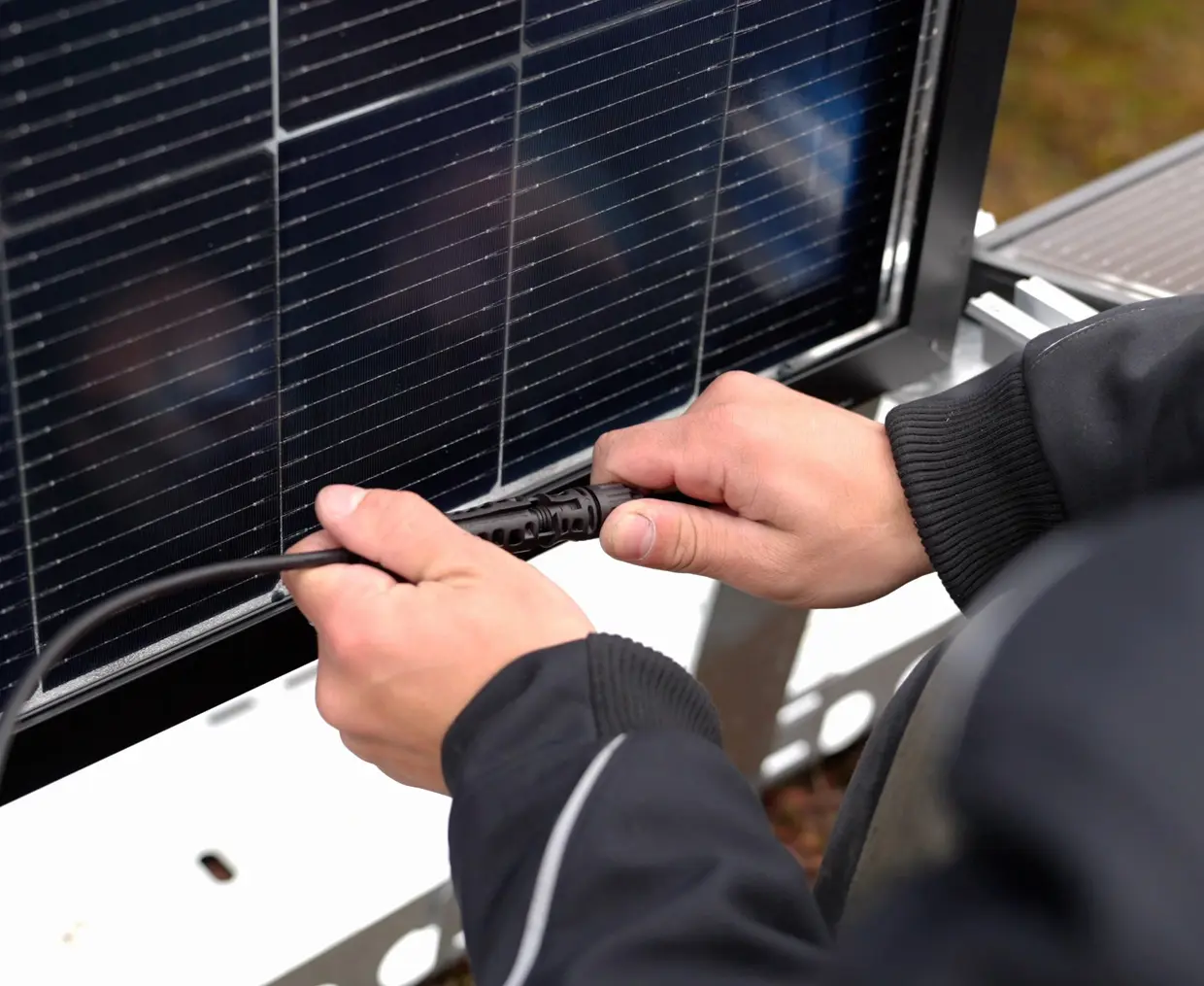
Before a decision is made regarding the continued operation of your Ü20 system, we analyze the technical condition and performance of the entire system. In doing so, we check:

Individual continued operation
Based on our system assessment, we develop a tailored modernization strategy for your Ü20 PV system. Depending on the initial situation, this includes:
Reliable monitoring
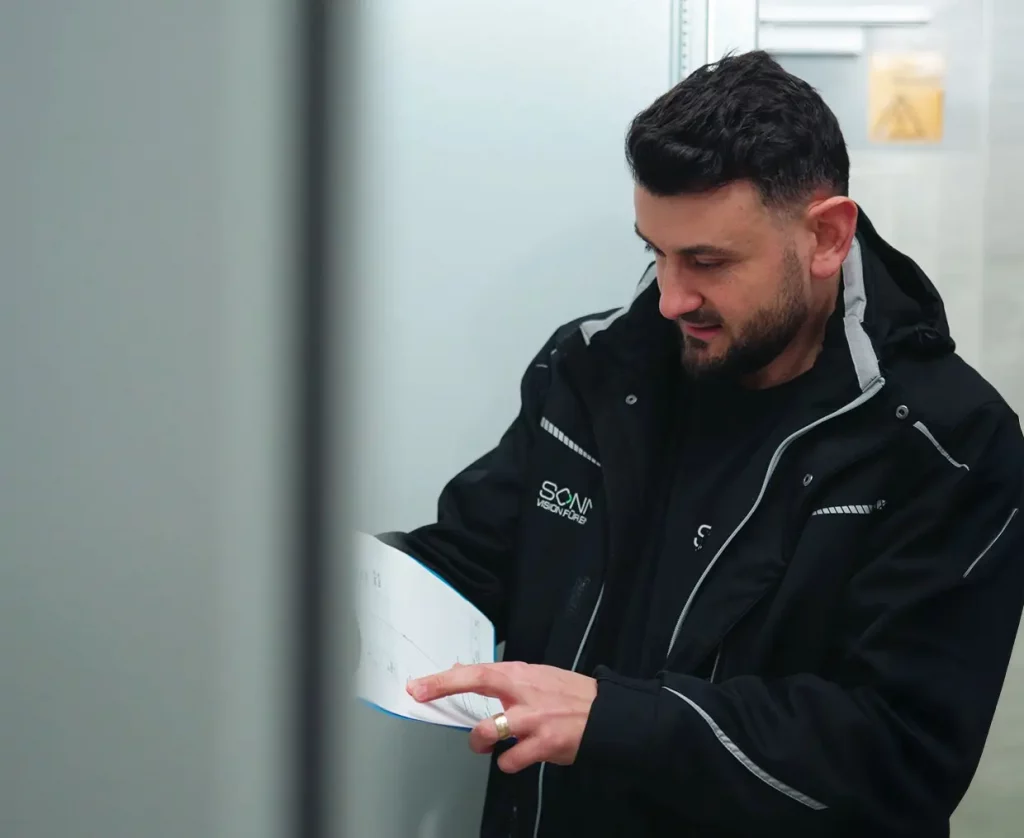
For a permanently stable operation of your modernized legacy system, we offer a supporting maintenance and monitoring concept. This includes:
Is the continued operation of your PV system still worth it? Our manufacturer-independent Ü20 system check objectively analyzes your legacy system and helps you make the right decision.
Depending on your needs, you can choose from three tailored service packages – in all variants, we examine the following essential components of your system:
Summary brief report including system status assessment
Detailed inspection report including technical status assessment
In-depth inspection report including a strategic basis for decision-making
“When does your EEG subsidy expire? We help you develop the right strategy for your Ü20 system well in advance.”
Following the end of the EEG feed-in tariff, you will receive the annual solar market value for electricity fed into the grid. This value is usually significantly lower than the cost of purchasing electricity from the grid. Without optimization, the profitability of your installation will decrease tangibly in many instances.
Yes – many post-EEG installations are still in excellent technical shape. The deciding factor, however, is how the generated power is utilized. Through self-consumption optimization, storage integration, or repowering, profitability can be enhanced substantially.
Typical options for action include increasing self-consumption, integrating a battery storage system, modernizing the AC technology, and repowering with new, higher-performance components.
Depending on the selected service package, the Ü20 system check includes the inspection of all relevant system components – from the solar modules and wiring to the inverter and the grid connection point.
A battery storage system allows you to store excess solar power and use it later yourself. This increases your self-consumption while reducing the amount of expensive grid electricity you need to buy.